 I want to highlight a less obvious dimension of the work we do at UUSJ — helping people heal from moral injury and reclaiming their agency — something that stands out to me given my background in healthcare.
Moral injury traditionally refers to the deep psychological and spiritual harm that arises when a person participates in, fails to prevent, or witnesses actions that violate their core moral beliefs. Increasingly, psychologists emphasize that people can be morally injured not only by what they do, but by what they see others do—especially when the wrongdoing is committed by leaders, institutions, or family members they once trusted.
The concepts of witness-based and vicarious moral injury describe the experience of individuals who observe harmful practices carried out by their community but feel unable to stop them, or whose resistance goes unheard. These individuals may speak out, advocate, or protest—yet still carry the inner wound of watching vulnerable people suffer while authority figures normalize or justify the harm. The resulting experience often includes feelings of betrayal, disorientation, and a painful sense of moral association with the wrongdoing.
For Unitarian Universalists, this can be acutely felt. At UUSJ, we consistently hear from such folks, especially when they are ready to act in fellowship to oppose and defy the further perpetuation of such harm. Many of our activities are designed to harness this tension and channel it toward meaningful, impactful purpose. (Isn’t that something worth supporting?)
Unfortunately, much of what we are witnessing in our nation today—attacks on democratic norms, assaults on human dignity, and the targeting of marginalized communities—directly contradicts our new, commonly held UU religious values and the eight Principles that came before. When society violates core commitments to equity, compassion, justice, and interdependence, UUs may experience not merely political distress but moral and spiritual injury, a rupture between covenantal values and public reality. We want the covenants we hold with each other to be held among our broader society. We yearn to see the universal family of humanity share in the blessings of our tradition. We want folks to come to it freely, stirred by the spirit, propelled by reason.
Although moral injury and PTSD often overlap, they arise from different emotional cores. PTSD is rooted in fear and threat, disrupting one’s sense of safety. Moral injury stems from violated conscience, marked by guilt, shame, anger, and betrayal. PTSD is a clinical diagnosis; moral injury is a psychological-spiritual condition that affects identity, meaning, trust, and community.
Many psychologists interpret moral injury as a form of complicated grief—grief not only for harmed people but for the loss of one’s moral world. When sustained over time, this grief can lead to psychological dysregulation, with symptoms such as emotional numbing, chronic stress activation, difficulty concentrating, irritability, insomnia, headaches, and spiritual disorientation. These patterns mirror the body’s response to prolonged unresolved grief and can affect long-term health.
Research suggests that individuals can begin healing moral injury through several practices:
• Acknowledging and naming moral emotions rather than suppressing them.
• Seeking support, including from faith groups, peers, therapists, or spiritual advisers.
• Practicing self-compassion and forgiveness, including structured moral reflection.
• Taking aligned moral action, such as engagement, advocacy, or service.
It’s that last item that most often reveals new allies and friends in the work at UUSJ when people are looking to restore coherence between values and behavior. Can you support our worthy, helpful, healing work? Work that brings UUs together in our power for solidarity and, for some, to reclaim agency.
Recognizing moral injury gives us language for these wounds and helps transform private anguish into shared moral commitment and collective healing. That is part of what we are about at UUSJ.
In love and care,
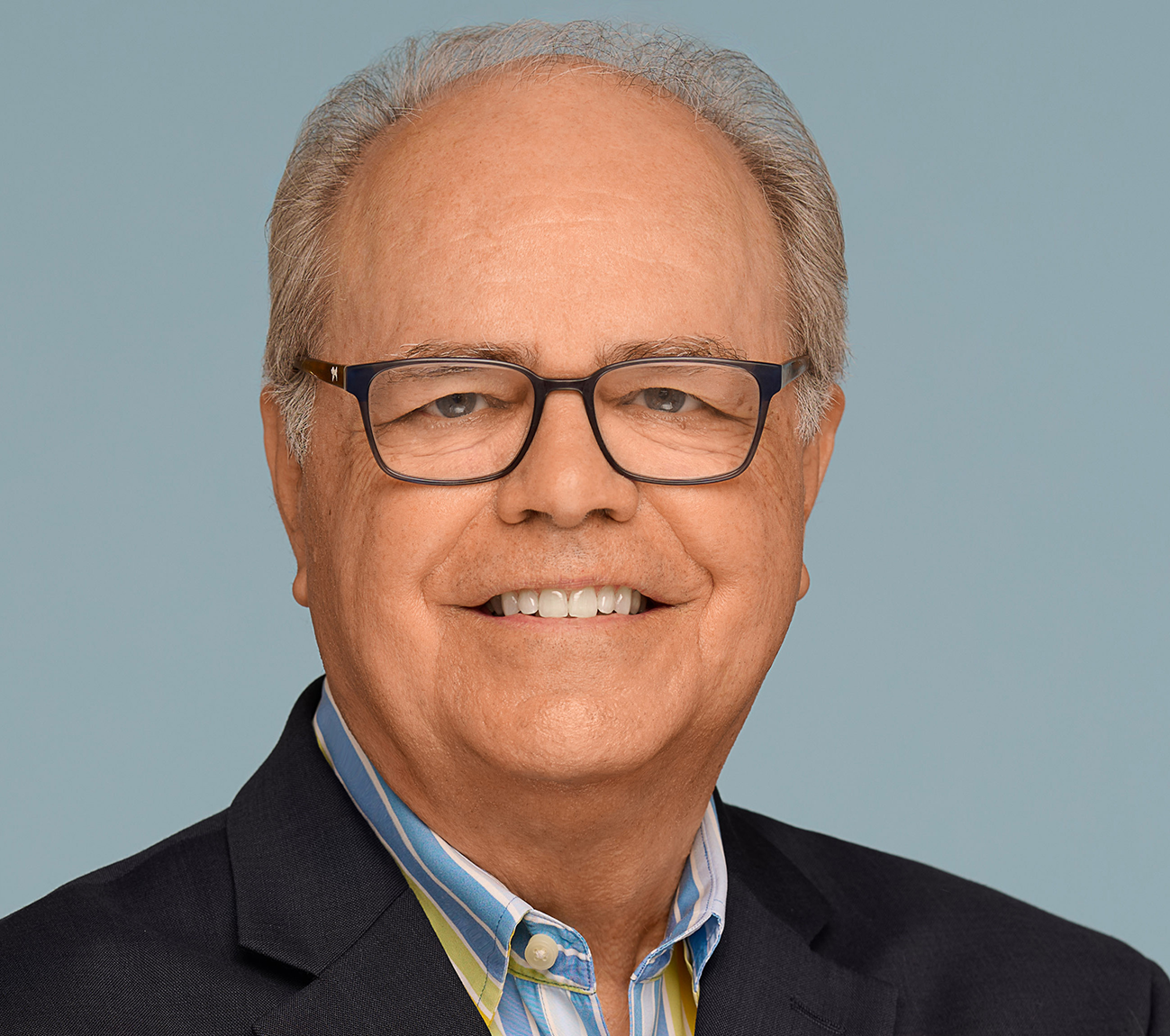
Dale Anderson
Board Chair